Delving into Discovery Car Price vs Residual Value – What Canadian Owners Must Know, this introduction immerses readers in a unique and compelling narrative, with casual formal language style that is both engaging and thought-provoking from the very first sentence.
Exploring the intricate relationship between car price and residual value, this introductory paragraph sets the stage for a deep dive into a crucial aspect of vehicle ownership for Canadians.
Discovery Car Price vs Residual Value
When it comes to buying a car, understanding the relationship between car price and residual value is crucial for Canadian car owners. The car price refers to the initial cost of purchasing a vehicle, while the residual value is the estimated value of the car at the end of its lease or ownership period.
This relationship plays a significant role in determining the overall cost of owning a vehicle and can impact financial decisions in the long run.
Impact of Car Price on Residual Value
The initial car price directly affects the residual value of the vehicle. A higher purchase price typically leads to a higher depreciation rate, resulting in a lower residual value over time. On the other hand, a lower purchase price may result in a slower depreciation rate, leading to a higher residual value at the end of the ownership period.
For Canadian car owners, this means that choosing a vehicle with a lower initial price can potentially result in higher returns when it comes time to sell or trade-in the car.
Importance for Canadian Car Owners
Understanding the relationship between car price and residual value is essential for Canadian car owners for several reasons. Firstly, it helps in making informed decisions when purchasing a vehicle, as a higher residual value can translate into lower ownership costs in the long term.
Secondly, it allows owners to anticipate the future value of their vehicle, enabling them to plan for potential resale or trade-in scenarios. Lastly, being aware of how car price impacts residual value can help owners choose vehicles that hold their value well, ultimately maximizing their investment in the long run.
Factors Affecting Car Residual Value
When it comes to the residual value of a car, there are several key factors that play a significant role in determining how much your vehicle will be worth down the road. Understanding these factors can help Canadian owners make informed decisions to maintain or increase their car's residual value.
1. Brand Reputation
The brand of a car can greatly influence its residual value. Vehicles from reputable brands with a history of reliability and durability tend to hold their value better over time. Discovery cars, known for their luxury and off-road capabilities, generally have a strong residual value in Canada due to their brand reputation.
2. Mileage and Condition
The mileage and condition of a car are crucial factors in determining its residual value. Cars with lower mileage and in excellent condition typically retain more value compared to those with high mileage and signs of wear and tear. Owners of Discovery cars in Canada can maintain their vehicle's residual value by keeping up with regular maintenance and servicing.
3. Features and Options
The features and options equipped in a car can impact its residual value. Vehicles with popular and in-demand features such as advanced safety technology, entertainment systems, and luxury amenities tend to hold their value better. Canadian owners of Discovery cars can consider adding certain features or packages to enhance their vehicle's residual value.
4. Market Demand
Market demand plays a significant role in determining a car's residual value. Factors such as consumer preferences, fuel efficiency, and trends in the automotive industry can affect how much a car will be worth in the future. Owners of Discovery cars in Canada should stay informed about market trends and demand to make informed decisions about their vehicle's residual value.
5. Depreciation Rate
The rate of depreciation of a car can impact its residual value. Some vehicles depreciate faster than others, leading to a lower residual value over time. Canadian owners of Discovery cars can mitigate depreciation by maintaining their vehicle well, avoiding excessive wear and tear, and considering factors that affect depreciation rates
Pricing Trends for Discovery Cars in Canada
When it comes to Discovery cars in the Canadian market, pricing trends play a crucial role in determining both the initial cost and the residual value of these vehicles. Understanding how these trends impact the overall value of your car can help you make informed decisions as an owner.
Current Pricing Trends
Research indicates that pricing trends for Discovery cars in Canada are influenced by various factors such as demand, supply, economic conditions, and even the brand reputation. As of now, the market shows a steady increase in the pricing of Discovery cars due to their advanced features, reliability, and overall performance.
Impact on Residual Value
The pricing trends directly affect the residual value of Discovery cars, as a higher initial price often translates to a higher residual value. This means that owners can expect a better return on investment when it comes to selling or trading in their Discovery vehicles in the future.
Leveraging Pricing Trends
Owners can leverage pricing trends by staying informed about the market value of their Discovery cars. Keeping track of pricing fluctuations can help owners decide on the best time to sell or trade in their vehicles to maximize their returns.
Additionally, understanding the factors that drive pricing trends can empower owners to negotiate better deals when purchasing a new Discovery car.
Resale Value Comparison with Competitors
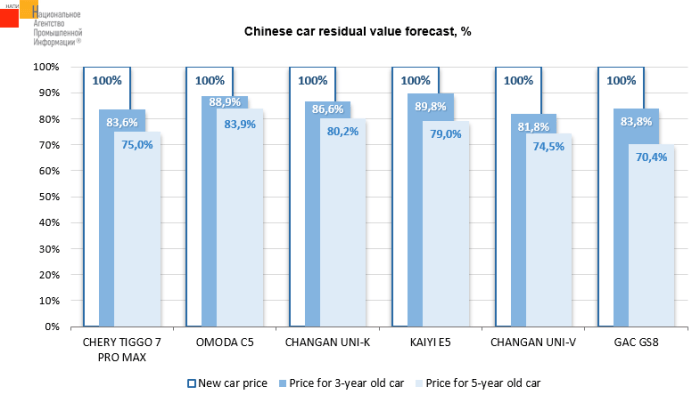
When comparing the resale value of Discovery cars with similar models from other brands, it is important to consider various factors that contribute to the differences in value. Let's take a closer look at how Discovery cars fare in terms of resale value compared to their competitors.
Resale Value Data and Examples
- According to recent market analysis, Discovery cars tend to hold their value well compared to similar models from competing brands.
- For example, a 3-year-old Discovery model may retain a higher percentage of its original value compared to a similar model from a different brand.
- This can be attributed to factors such as build quality, brand reputation, and market demand for Discovery cars in Canada.
Factors Influencing Resale Value Differences
- Brand Reputation: The reputation of a brand plays a significant role in determining the resale value of its vehicles. Discovery cars, known for their durability and off-road capabilities, may command a higher resale value compared to competitors with less established reputations.
- Market Demand: The demand for Discovery cars in the Canadian market can also impact their resale value. If there is a high demand for these vehicles, their value is likely to remain strong even after several years of ownership.
- Build Quality: The build quality of Discovery cars, including the use of high-quality materials and advanced technology, can contribute to their higher resale value compared to competitors with lower build quality standards.
Conclusive Thoughts
In conclusion, understanding the dynamics between Discovery Car Price and Residual Value is essential for Canadian car owners looking to make informed decisions. By grasping these concepts, owners can navigate the market with confidence and ensure the long-term value of their vehicles.
FAQ
What factors impact a car's residual value the most?
Some key factors include depreciation rates, maintenance history, and overall market demand for the specific model.
How can owners maintain or increase their car's residual value?
Regular maintenance, keeping detailed service records, and avoiding excessive wear and tear can help preserve or enhance a car's residual value.
Do Discovery cars hold their value better than competitors?
Generally, Discovery cars have good resale value compared to similar models from other brands, attributed to their quality, features, and brand reputation.